A visually convincing modern coffee table can become an expensive mistake when its first wine spill stains, its stone top cannot be carried upstairs, or its narrow base tips under pressure. The safer buying sequence starts with household risks, eliminates unsuitable materials, and considers color and silhouette only after the practical shortlist survives.
Which modern coffee table material is most practical for daily use?
No modern coffee table material is universally most durable. The practical choice depends on exposure to children, hot drinks, meals, sunlight, entertaining and repeated moves, plus the household’s tolerance for scratches, heavy lifting and specialized maintenance.
A modern coffee table decision matrix should separate surface durability from household safety
The low, medium and high descriptions below are editorial risk ratings for typical household use, not complete-product test results. Finish chemistry, thickness, edge treatment, supports and base geometry can change performance. A published pencil-hardness result characterizes a tested coating, not the substrate, joints or assembled table.
- Tempered or laminated glass: Low stain and heat risk, medium scratch risk, and potentially high impact or edge risk when construction is unspecified. Glass is easy to clean but heavy and rarely repairable. It suits careful adult homes; avoid it around climbing children or frequent moves unless complete-product documentation is convincing.
- Natural stone: Stain, scratch and heat behavior varies by stone and finish. Hard edges, substantial weight and difficult repairs increase ownership risk. Stone suits stable layouts; avoid it if spills commonly linger. The Natural Stone Institute advises blotting rather than wiping spills because wiping can spread them.
- Solid wood: Medium stain, scratch and heat risk, with lower edge risk when corners are rounded. Solid wood offers strong repair potential and suits households willing to accept dents, refinishing and natural color change.
- Wood veneer: Surface performance depends on the finish, substrate and edge sealing. Veneer offers limited sanding capacity, and damaged seams can expose the core. Avoid it where standing moisture or repeated refinishing is likely.
- Metal: Properly coated metal usually handles routine stains and heat well but can scratch, dent or develop coating damage. It suits entertaining and relocation when components are manageable; avoid sharp corners and thin, flexible sheet construction.
- Defined composites: High-pressure laminate over sealed board can resist routine spills, but damaged seams may chip or swell. Repairability is low. Avoid products described only as “engineered” without a defined core, surface and edge construction.
The most durable modern coffee table depends on the failure the household cannot tolerate
Choose coated metal or laminate for straightforward entertaining, rounded solid wood for repairability, and detachable lightweight construction for rentals. Request finish guidance for high-sunlight rooms. Newly finished furnishings also deserve ventilation planning because the EPA identifies furnishings, paints, varnishes and waxes as indoor VOC sources. Glass and stone may appear harder, but their edges and lifting demands require closer examination.
Are glass and stone modern coffee tables safe and manageable in occupied living rooms?
Glass and stone tables can perform well, but safety depends on the top treatment, edge profile, support method, base attachment and assembled weight rather than the broad material label.
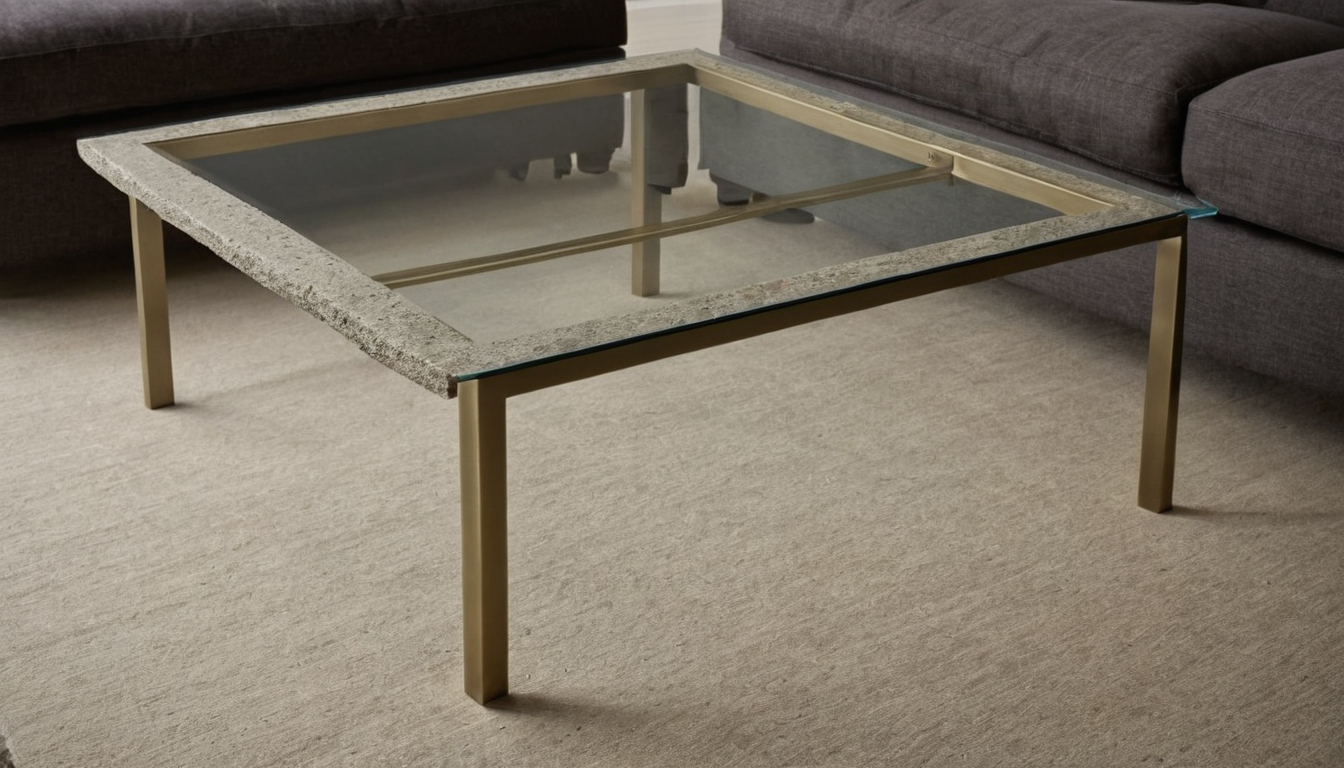
Are glass and stone modern coffee tables safe and manageable in occupied living rooms shown as a planning reference for layout, scale, and material decisions.
Tempered and laminated glass manage breakage risk differently
Tempered glass is designed to fragment into relatively small pieces after failure, while laminated glass uses an interlayer to retain many fragments. Neither construction makes a table unbreakable. Both require protected edges, appropriate supports and compatible hardware.
- Confirm whether the panel is annealed, heat-strengthened, fully tempered or laminated.
- Request its thickness, edge treatment, support spacing and attachment details.
- Check whether drilled fittings, exposed corners and unsupported spans are covered by the manufacturer’s testing.
- Ask whether a replacement top is available separately.
A glazing certificate is not complete-table evidence. Coffee tables are not among the architectural product categories expressly identified by 16 CFR Part 1201. Buyers should request separate stability, strength and durability documentation for the assembled furniture.
Natural stone coffee tables trade stain behavior for weight and edge risk
Natural stone removes glass-fragment concerns but introduces hard edges and heavy components. Verify the stone identity, slab thickness, reinforcement, edge profile, base connection and component weight before arranging delivery. Prefer eased or rounded edges along busy circulation routes, and move the components with suitable labor and floor protection rather than dragging the assembled table.
The Natural Stone Institute explains that a suitable sealer can improve stain resistance but does not make stone stain-proof. If glass and stone fail the household’s handling test, wood and defined composites offer different patterns of wear.
Do solid wood, veneer and composite coffee tables age differently under spills and sunlight?
Solid wood, veneer and composites age differently because they are not one performance category. Solid wood offers greater refinishing potential, veneer limits sanding depth, and composite performance depends on the core, surface and sealed edges.
Solid wood is repairable, but species and finish determine visible damage
Softer timber dents more readily, but harder wood can still show rings, scratches and heat marks when its finish is vulnerable. Oil and wax finishes can be easier to refresh locally. Lacquer, polyurethane and factory-cured coatings may resist spills better, yet seamless spot repairs can be difficult.
Ask for completed-finish tests covering liquids, wet heat, dry heat and scratching. ASTM D3363 determines the hardness of an organic coating film with specified pencil leads; it does not assess staining, impact, edge damage or every household scratch. Direct sunlight can also create uneven color beneath trays and books.
Wood veneer is durable only when the top layer, substrate and edges are specified
Wood veneer is a thin timber layer bonded to a substrate such as plywood, MDF or particleboard. Veneer can perform well while its coating and edge banding remain intact, but standing water at a seam can swell the core or lift an edge. Deep scratches cannot be sanded aggressively without cutting through the face layer.
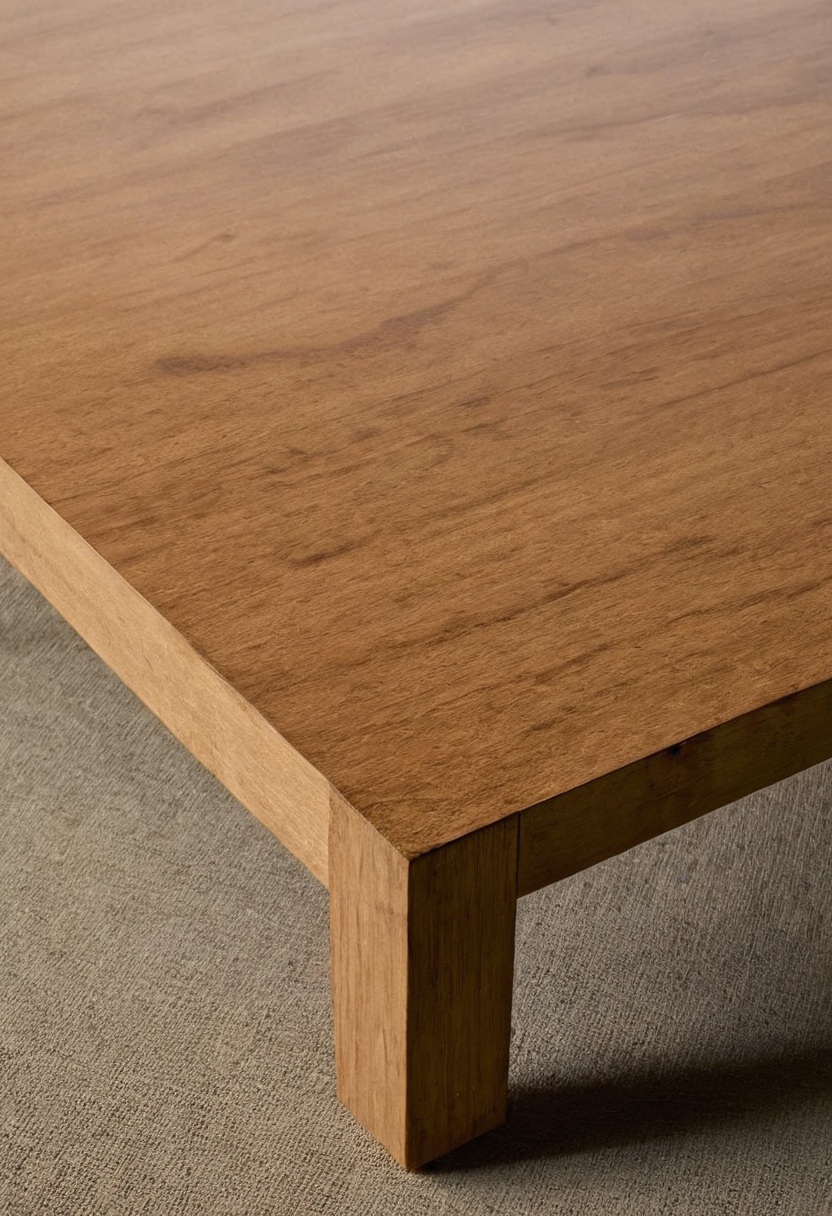
Do solid wood, veneer and composite coffee tables age differently under spills and sunlight shown as an editorial planning reference.
For regulated products sold in the United States, the EPA’s TSCA Title VI rule covers hardwood plywood, MDF, particleboard and finished goods containing them. Covered finished goods require compliant labeling, subject to the rule’s definitions and exemptions. The EPA also recommends increased ventilation while using products that emit VOCs indoors.
Composite coffee tables require an exact material description before comparison
“Engineered wood,” “faux stone” and “composite” are incomplete specifications. Laminate over board, molded mineral composite, fiber-reinforced concrete, sintered material and engineered quartz have different heat, impact and repair behavior. Verify the surface thickness, core, edge construction, coating and replacement options.
Moisture at damaged seams should be dried and corrected promptly. The EPA advises fixing wet or damp spots promptly to help prevent mold growth. Do not assume a stone-look composite accepts stone-care products either. For natural stone, the Natural Stone Institute recommends a neutral cleaner, stone soap or mild liquid dishwashing detergent with warm water, subject to supplier instructions. Once the surface is suitable, the base must prove equally dependable.
A modern coffee table is only as stable as its base, joints and assembly
Material hardness does not make a modern coffee table stable. A heavy top on a narrow pedestal can tip, while a lightweight table can rack or slide when its joints and feet are weak.
Pedestal, sled and four-leg bases create different tipping and floor-contact risks
A pedestal concentrates support near the center, so substantial top overhang can increase vulnerability when someone presses or sits on an edge. Sled bases spread contact along two lines but may rock across uneven flooring. Four-leg bases resist edge loading better when the legs are widely spaced and the joints remain tight.
Compare the base footprint with the top dimensions rather than relying on visual weight. Thick rugs can reduce effective contact, while hard floors may require adjustable glides or non-slip feet. Request stability, strength and durability documentation for the complete table instead of treating a material certificate as furniture testing.
Lift-top and storage coffee tables add pinch points, hardware wear and load limits
Lift-top mechanisms introduce moving hinges, springs or gas struts, plus pinch and shear points. Verify the permitted load in closed and raised positions, required opening clearance, child-access warnings and replacement-hardware availability.
Assembly quality directly affects stability. Follow the specified installer count, fastener sequence and tightening guidance. Correct a mechanism that binds, twists or closes unevenly before loading it. The final shortlist can then respond to how the household actually lives.
Which modern coffee table suits children, entertaining, sunlight and frequent moves?
Household conditions should determine the shortlist before color or silhouette. The strongest choice has predictable damage that the household can accept, maintain or repair.
Households with children should prioritize edge geometry and verified stability
Choose rounded corners, eased edges, limited overhang and a broad, rigid base. Confirm warnings about climbing, sitting and dynamic loads. Rounded furniture reduces sharp-edge exposure but does not replace supervision or verified stability.
Frequent hosts should prioritize stain response, heat protection and cleanable seams
For coffee, wine, citrus, hot dishes and crumbs, favor a sealed surface with few joints or textured recesses. Request approved-cleaner instructions and available liquid or heat-resistance results. Use coasters and trivets unless the manufacturer explicitly documents otherwise.
Renters and frequent movers should compare component weight and replacement logistics
Favor detachable tops and bases with reusable fasteners. Compare the heaviest component, packaged dimensions, stair access and handling orientation. Confirm whether replacement tops, glides, hardware and touch-up materials remain available. The surviving products are ready for a final specification check.
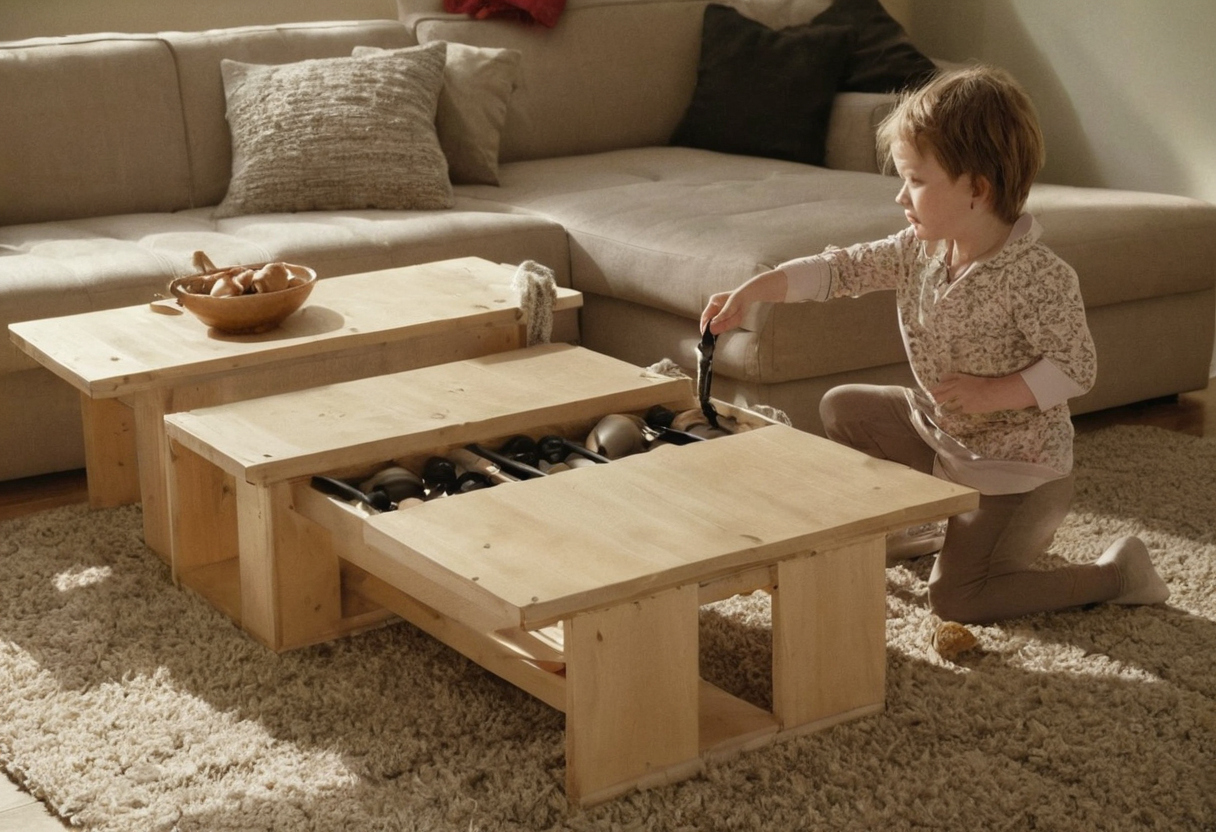
Which modern coffee table suits children, entertaining, sunlight and frequent moves shown with practical context cues.
What should buyers verify before ordering a modern coffee table online?
Before ordering, verify the material stack, weight, edge treatment, base attachment, load guidance, care restrictions, warranty exclusions and delivery method. “Stone,” “wood” and “safety glass” are insufficient descriptions without construction details.
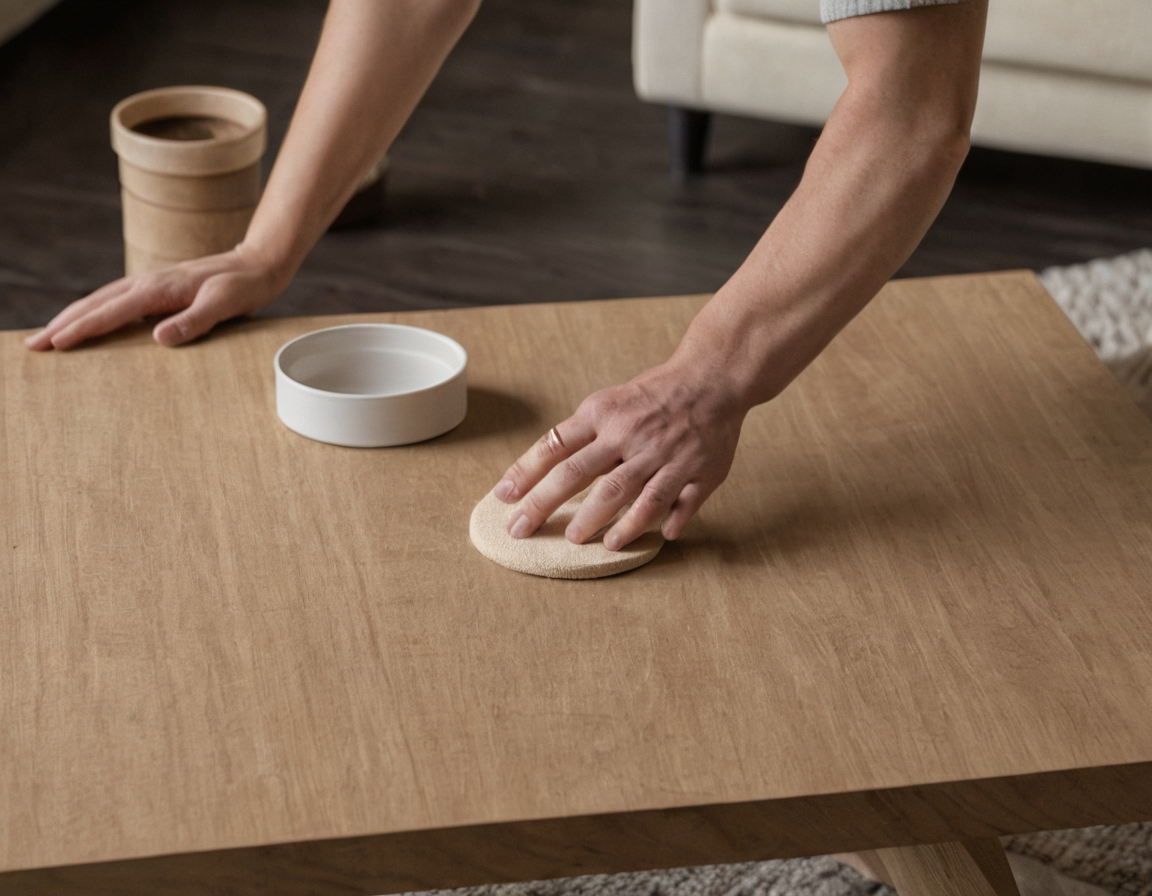
What should buyers verify before ordering a modern coffee table online shown with practical context cues.
A modern coffee table specification sheet should answer ten ownership questions
- What is the exact top material?
- What substrate, finish and top thickness are used?
- How are the edges treated?
- What is the base material?
- How does the base connect to the top?
- What are the assembled and component weights?
- What load guidance and stability testing are documented?
- How is the glass, stone or moving mechanism constructed?
- Which cleaners, spills and heat sources void coverage?
- Are replacement tops, feet, hardware and repair materials available?
Request the assembly manual, care sheet and test summary before payment. Confirm return conditions for opened packaging, assembled furniture, freight damage and natural variation.
Coffee table size and clearance should be checked after the material shortlist
A durable surface cannot correct blocked circulation. After eliminating unsuitable materials, check coffee table scale and living room clearances. Order only after the specification, delivery route, maintenance burden and return risk all remain acceptable.
Frequently asked questions
What is the most durable modern coffee table material for everyday use?
Coated metal and quality laminate are practical where easy cleaning matters, while solid wood offers better repairability. Complete construction and finish documentation matter more than the broad material name.