The built-in versus freestanding question looks like a shopping decision and is really a building decision: whatever is fixed to the walls becomes part of the house, and whatever stands free stays furniture. Studios offering interior architecture services settle this split room by room before any showroom is visited, because each answer changes the drawings; Antonovich Group, an architecture and interior design company in Dubai with over 20 years of practice, resolves the built-in scope at design stage precisely so that wiring, ceilings and floors are ready for it. The order matters more than the taste. A wardrobe wall decided after painting costs a redecoration; a bookcase bought instead of built changes nothing but the room it fails to fit.
What each choice actually buys
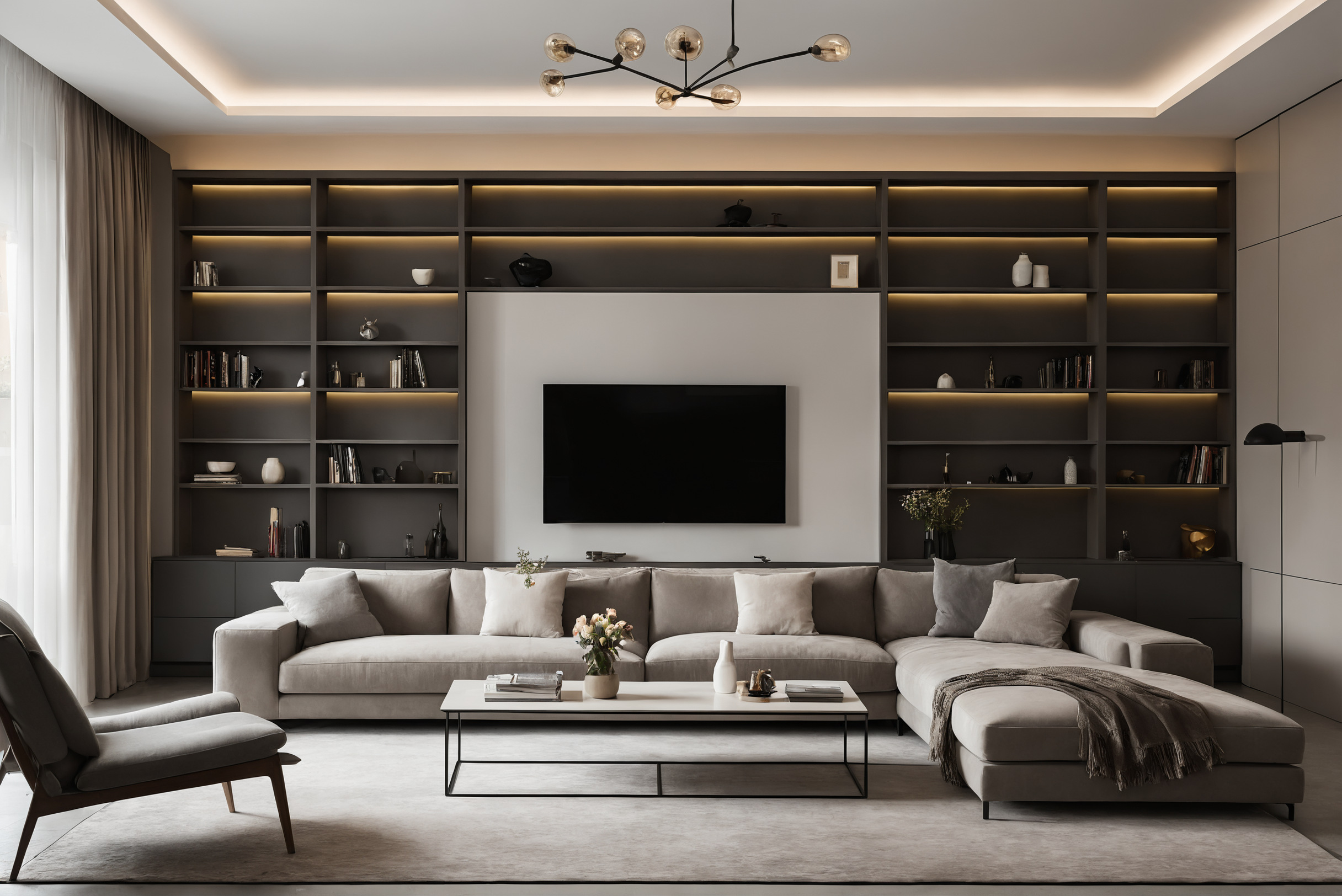
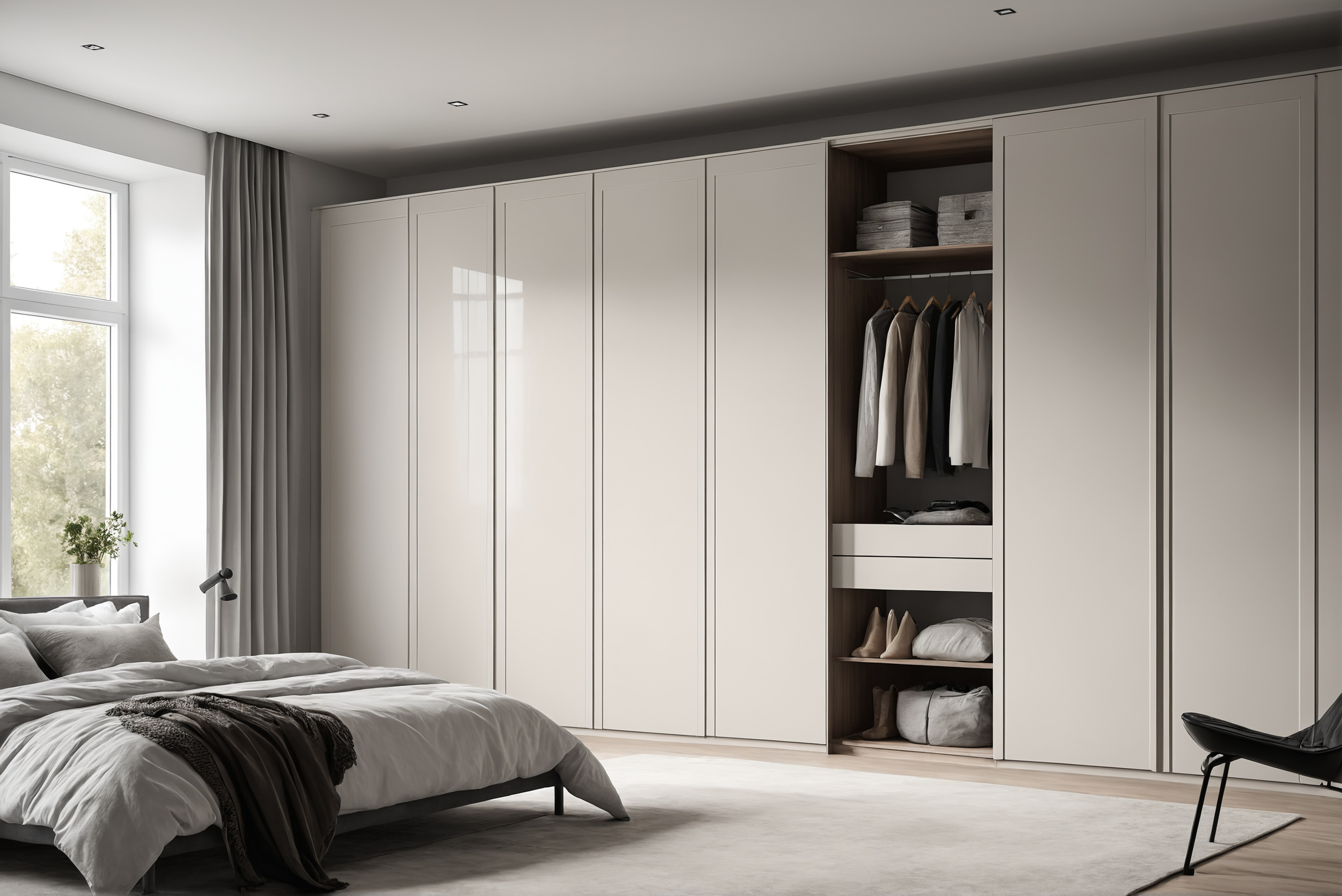
Built-in joinery buys exact fit and hidden services: wardrobes that swallow an awkward alcove to the millimetre, media walls with cabling inside, beds with reading lights wired through the headboard. Freestanding pieces buy flexibility and departure: they move with the family, resell, and forgive a change of mind about the room itself.
The costs behave differently too. Joinery is priced as construction, with site measurement, templating and installation, and its value stays with the house. Freestanding furniture is priced as product, arrives faster, and keeps its value only as far as the resale market cares. Neither is the cheap option in general; each is the cheap option for a different job.
The rooms answer differently, and the walls vote
Bedrooms lean built-in because clothes storage rewards exact fit: a fitted run uses the full height a freestanding wardrobe wastes, and it removes the dust shelf on top. The freestanding case survives where the room is generous and the owner values taking good pieces to the next home.
Living rooms split down the middle
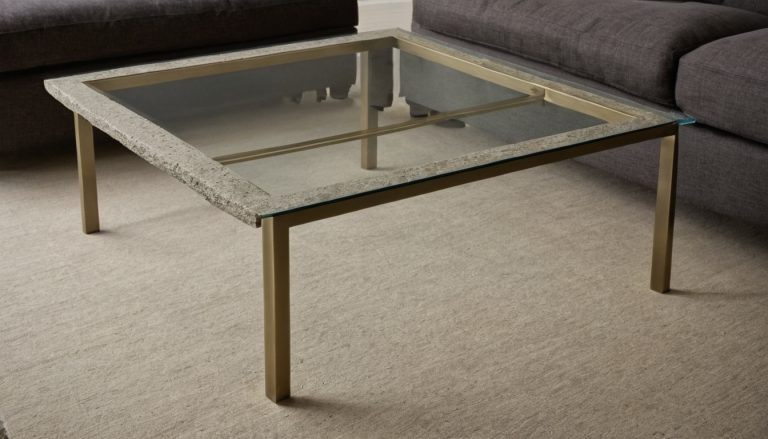
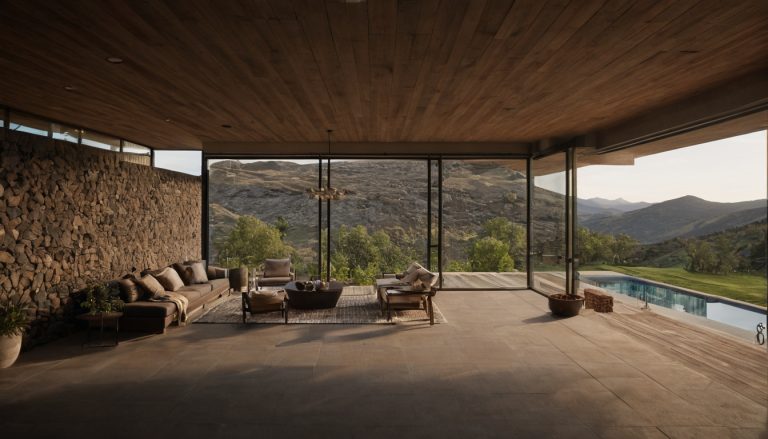
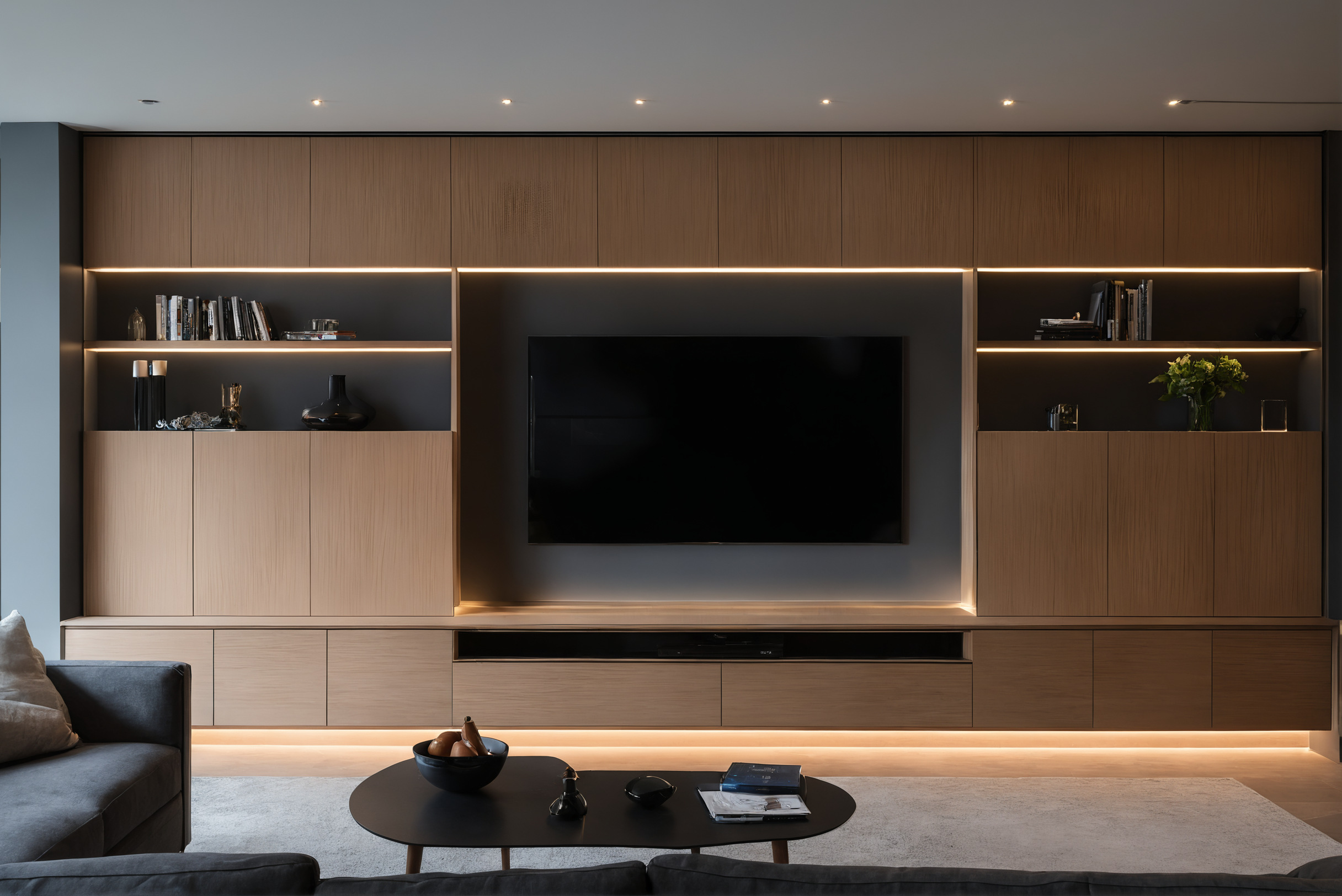
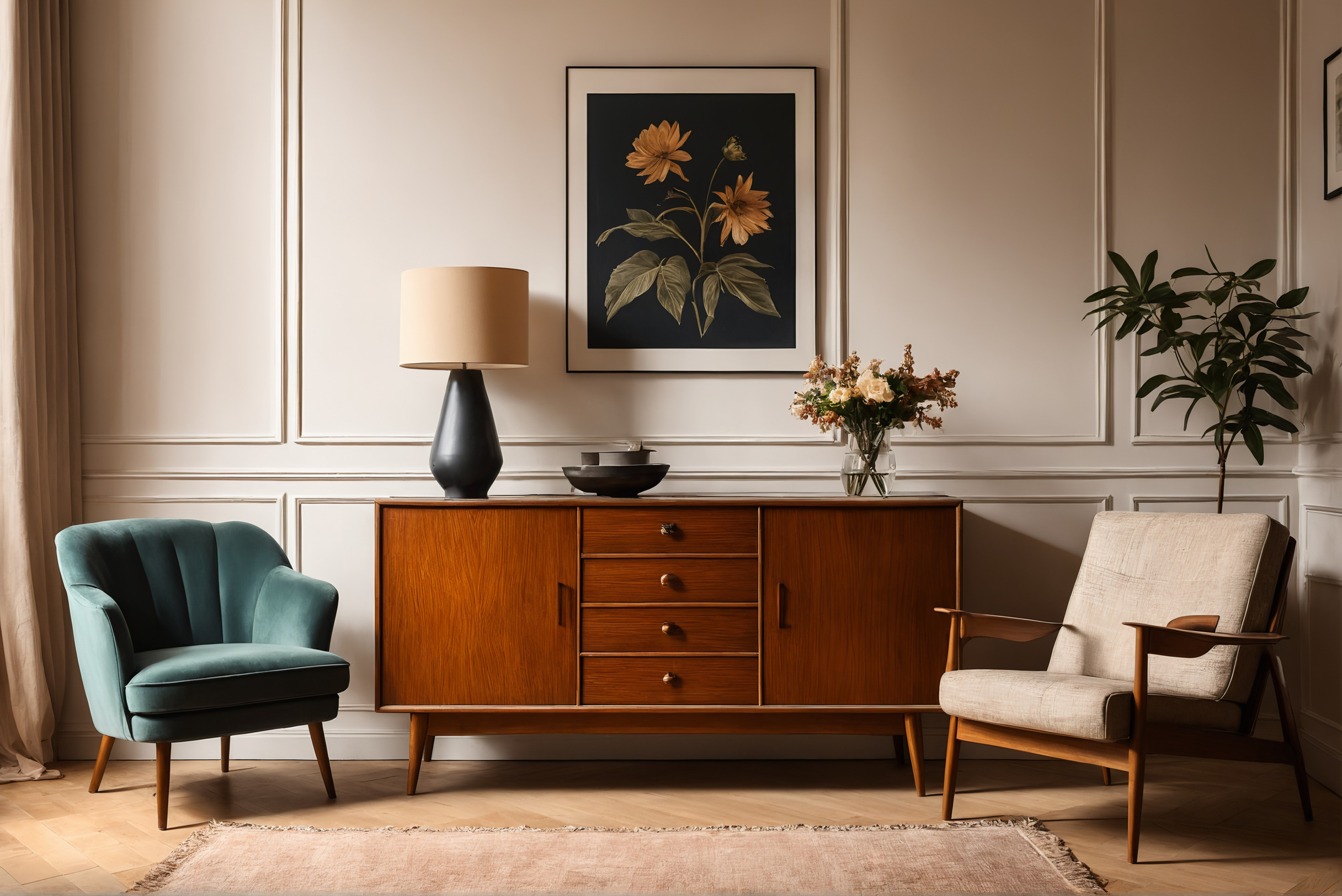
Shelving, media storage and drinks cabinets work built-in, where cables, ventilation for equipment and lighting can hide in the carcass. Sofas, chairs and tables belong freestanding, because seating is the layer a family rearranges most. The wall behind the sofa, though, is architecture: its panelling, sockets and lighting were decided before the sofa had a name.
Kitchens and studies have already voted
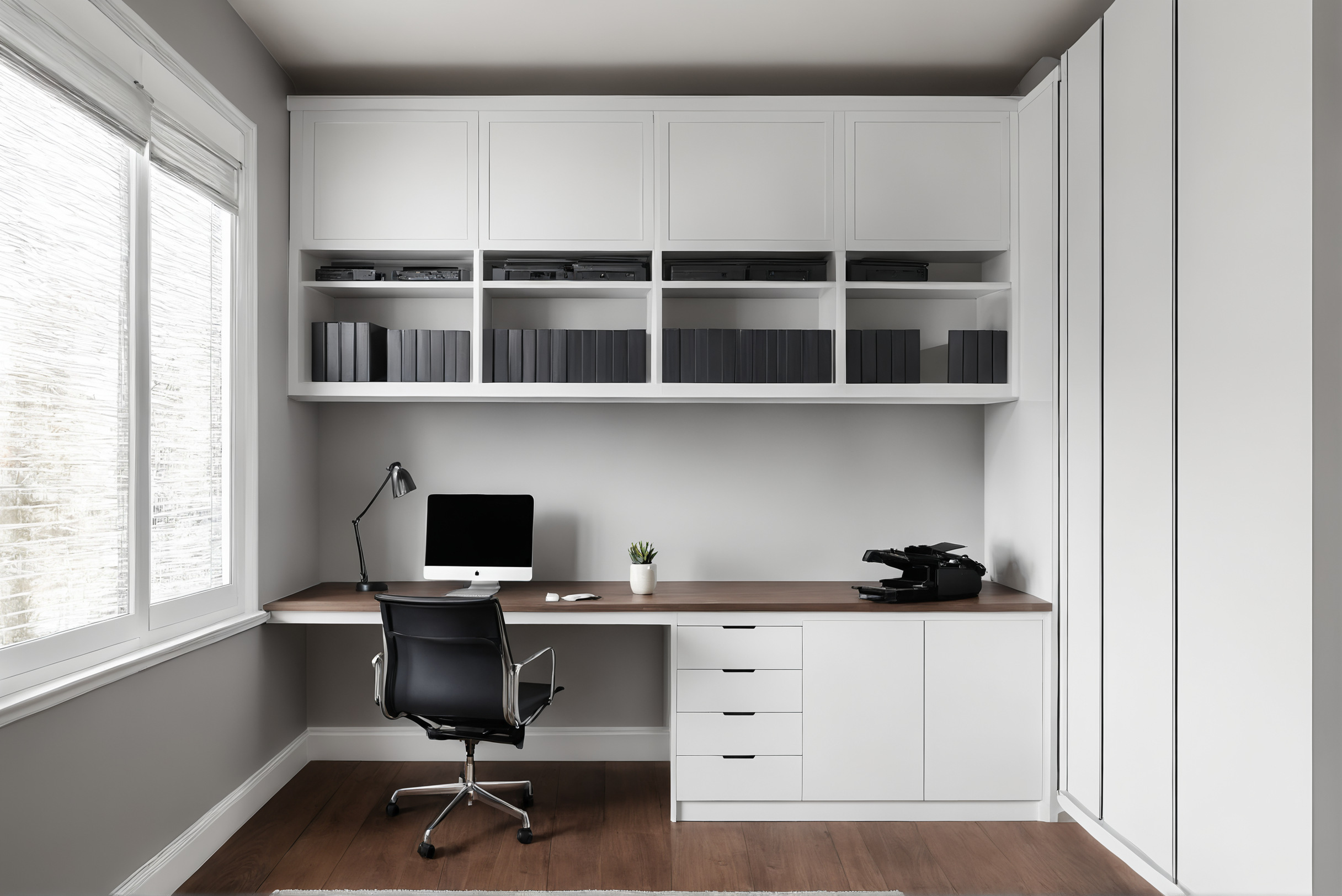
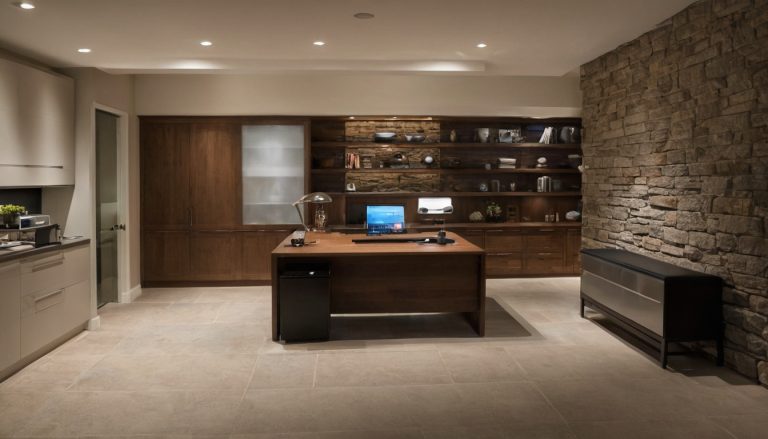
A kitchen is built-in by definition, and a study drifts that way as soon as two people share it: desks that hold cable trays, printer cupboards that close, and shelving that reaches the ceiling all argue for joinery. What remains freestanding is the chair, deliberately, because it is the one component bought for a body rather than a wall.
The decisions that must precede the joinery
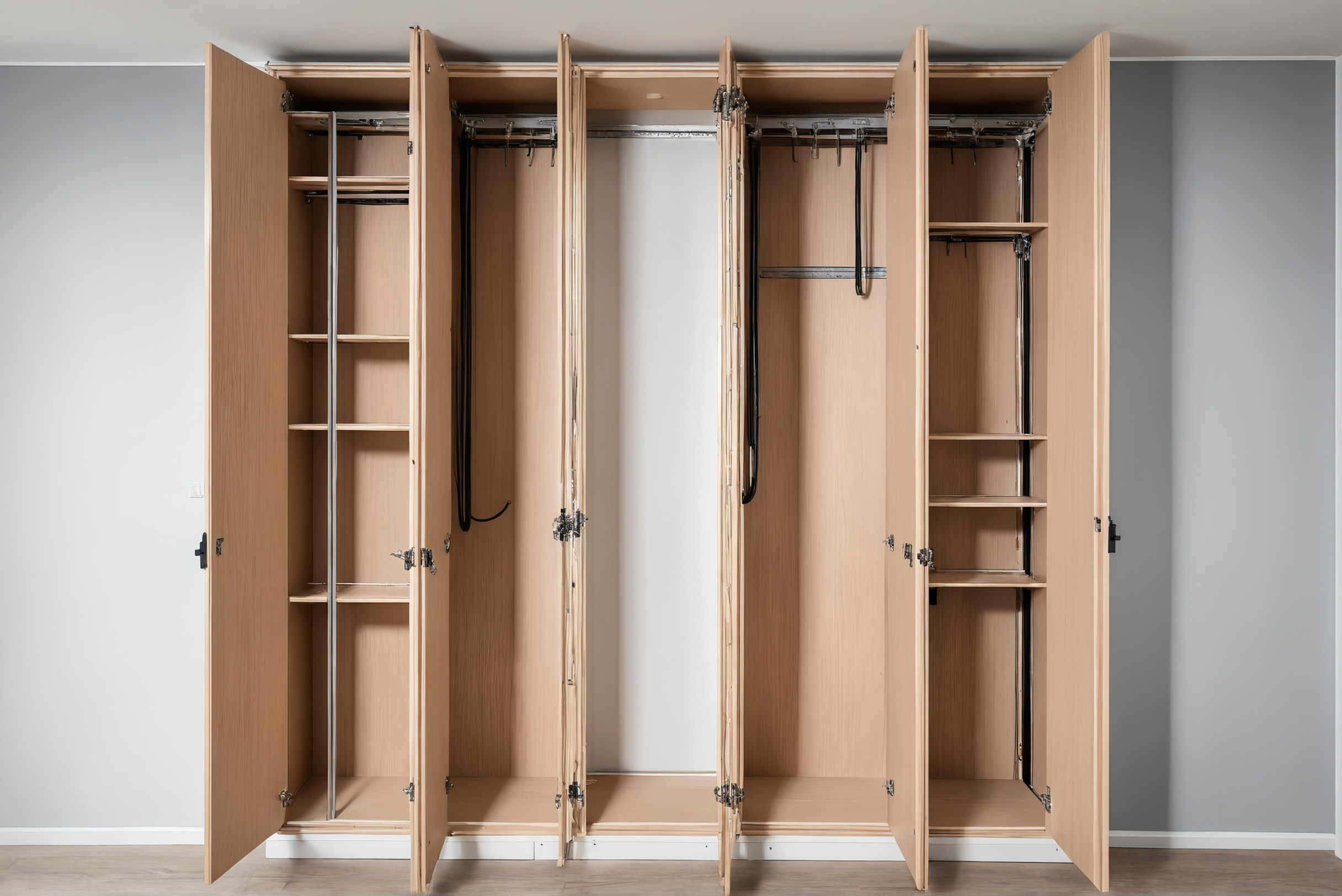
Built-in scope feeds into the technical drawings. Every fitted element needs its wall finished to a known line, its sockets and lighting inside the carcass, its floor junction resolved, and its ceiling met with a scribe or a shadow gap that was chosen rather than discovered. This is why the split is decided with the interior architecture, not after it.
Ventilation and access ride on the same decision. Equipment inside closed joinery needs airflow, radiators boxed behind panels need grilles sized on the drawing, and the service hatch nobody planned becomes the panel a plumber cuts with a jigsaw in year three.
Delivery routes deserve one paragraph of honesty. Freestanding pieces have to arrive assembled through doors, lifts and stair turns, and the sofa that cannot make the turn is a cliché because it keeps happening. Built-in joinery arrives flat and is assembled in place, which is quietly one of its strongest arguments in apartments.
A worked method for one evening with the plan
Walk the plan room by room and write three lists: fixed for certain, free for certain, undecided. Everything storing things against a wall tends to the first list, everything sat on or slept on to the second, and the undecided list is where the design conversation actually lives. Price both routes for each undecided item before choosing.
Then give the fixed list to the designer while walls are still open, and hold the free list back until the rooms are finished and measured. The two lists spend the same money in opposite orders, and keeping them separate is the entire discipline: the house gets built once, and the furniture stays free to be wrong.