Why do most shoppers choose a rug color before checking the fiber content label or pile height? A pattern catches your eye, but six months later the design disappears under the couch because the yarn bent past its recovery point. Check pile height first so the rug stays functional long enough for the color to matter. See also: sizing living room furniture before you buy.
Contents
- Why pile height determines if your living room rug survives furniture and doors
- Which rug fiber lasts longest under daily living room foot traffic
- Face weight and density explain why two identical-looking rugs wear differently
- Matching rug pile height to your living room furniture layout
- What a fair price per square foot looks like by fiber and construction
- Key takeaways for choosing living room decor ideas starting from the floor
- Frequently asked questions about living room rugs
Key takeaways
- Pile height is the distance from the rug backing to the yarn tip.
- Wool offers natural resilience and soil resistance but costs more per square foot.
- Face weight measures the ounces of fiber per square yard of rug surface.
- Furniture with narrow legs or casters needs a dense, low-pile rug to prevent sinking and uneven wear.
- Hand-tufted wool rugs typically cost significantly more per square foot than machine-made polypropylene options.
Why pile height determines if your living room rug survives furniture and doors
Pile height is the distance from the rug backing to the yarn tip. For living rooms with heavy sofas and doors that swing frequently, a pile between 0.25 and 0.5 inches prevents permanent crushing and lets doors clear the edge without snagging.
- Low pile (under 0.25 inches): Flatweaves and tight constructions. Best for high traffic and beneath heavy furniture legs where clearance matters.
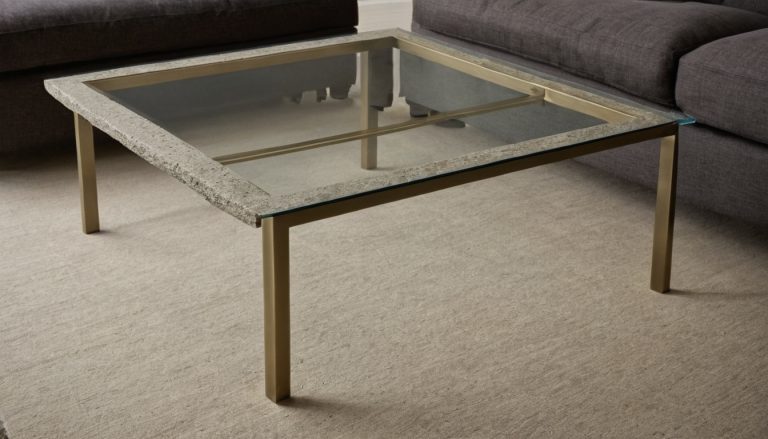
Renters face a specific problem here. Moving a heavy sofa every few weeks to let the rug rest risks scratching the floor underneath. A safer approach is to match the rug construction to the furniture weight from the start. If you are sizing living room furniture before you buy, factor the leg footprint into your rug choice. Wide, flat wooden glides distribute weight better than thin metal casters, but even glides will flatten a half-inch shag over a season. When planning around multiple pieces, such as choosing a coffee table for daily use, remember that tables shift more often than sofas, adding friction wear to compression damage.
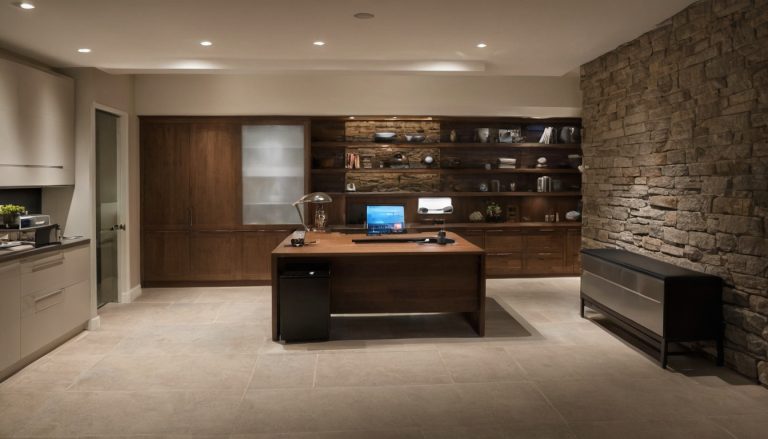
Before ordering, check the product specifications for separate measurements. Interior doors typically need at least three-eighths of an inch of clearance above the finished floor to swing freely. A rug that exceeds that gap forces the door to drag across its surface, fraying the yarn tips. In compact spaces where you are fitting a work desk into a small living room layout, door swing paths cross the rug constantly, so accurate measurement matters.
Which rug fiber lasts longest under daily living room foot traffic
Wool offers natural resilience and soil resistance but costs more per square foot. Polypropylene resists stains and moisture but flattens faster under heavy furniture. Nylon sits between them, with strong abrasion resistance at a mid-range price.
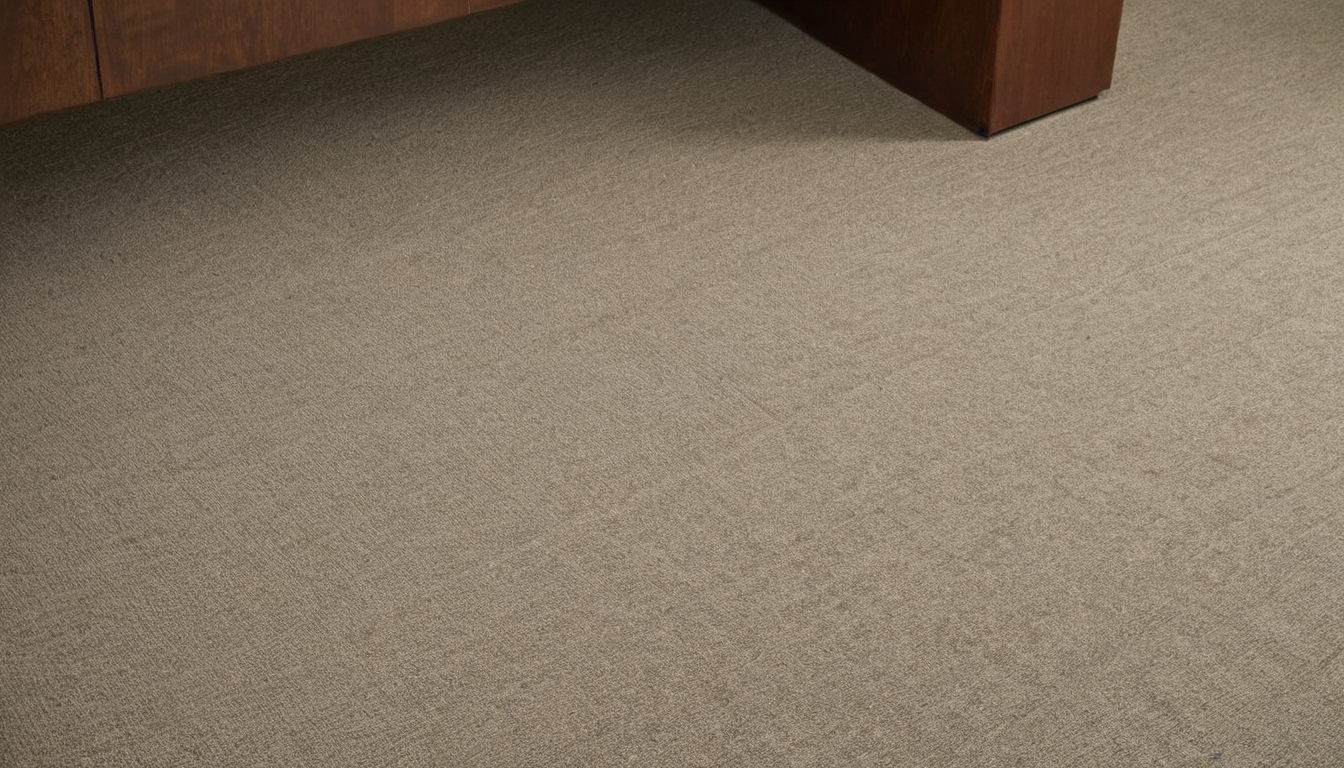
Which rug fiber lasts longest under daily living room foot traffic.
Wool fibers spring back after compression because their protein structure holds a natural crimp. That crimp lets a wool rug recover from foot traffic in high-use paths longer than synthetic alternatives. Polypropylene lacks that memory. Its plastic strands bend under a sofa leg and stay bent. Nylon recovers better than polypropylene and costs less than wool, making it a practical middle ground for renters balancing budget against wear.
The trade-off is crush recovery. A polypropylene rug under a heavy coffee table will show permanent indentations within months. If you plan to move within a year or two, that permanent dent does not matter much. Keep polypropylene out of the main seating area where bare feet expect a springy surface.
Face weight and density explain why two identical-looking rugs wear differently
Face weight measures the ounces of fiber per square yard of rug surface. Density describes how tightly that fiber is packed into the backing. A higher face weight with tight density resists matting far better than a heavy but loosely tufted rug.
Carpet industry formulas calculate density by multiplying face weight by a constant and dividing by pile height. In a dense rug, individual yarns support each other, much like closely spaced floor joists carry a load without sagging.
For a living room with daily foot traffic, look for a face weight of at least 30 to 40 ounces per square yard. Lighter rugs flatten within months near doorways and sofa edges. Heavier rugs last longer only when the tufts are packed close together.
Matching rug pile height to your living room furniture layout
Furniture with narrow legs or casters needs a dense, low-pile rug to prevent sinking and uneven wear. Wide wooden feet distribute weight better across medium piles. Renters arranging a desk or dining table must prioritize chair glide over aesthetic softness.
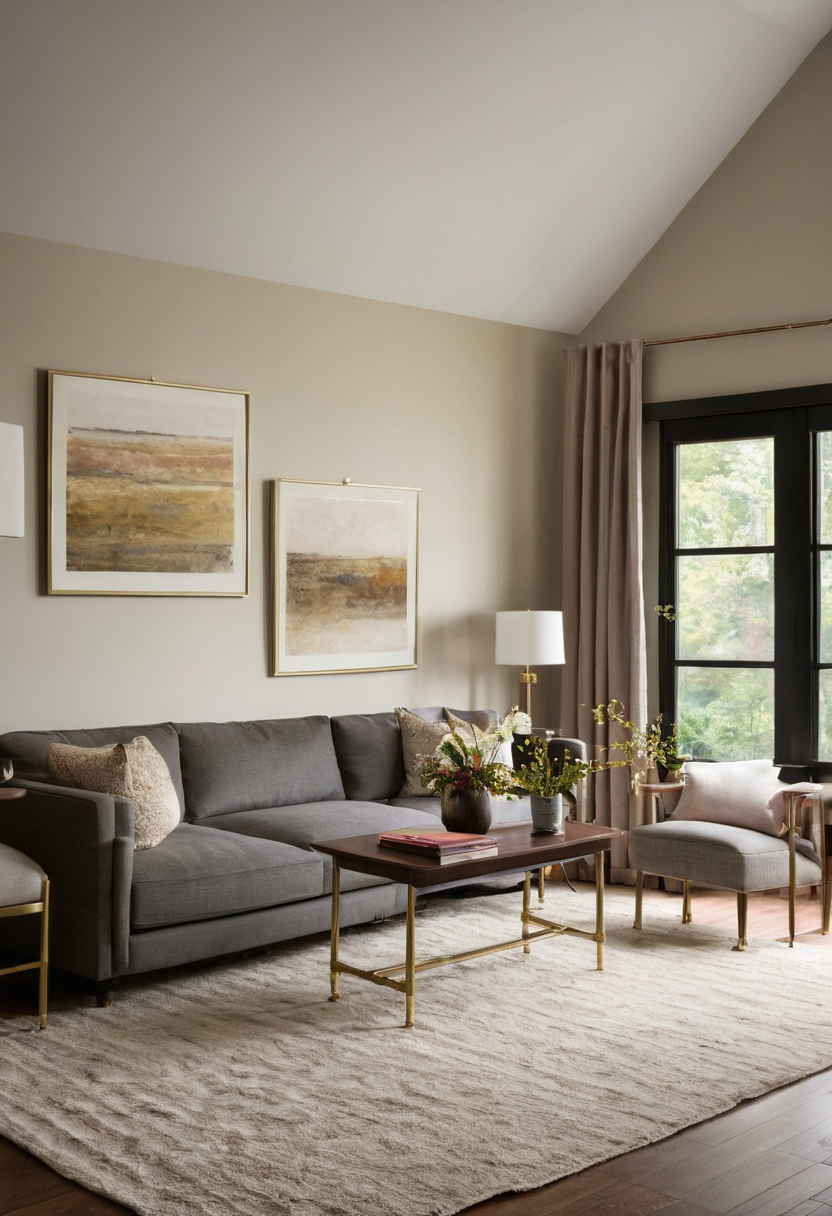
Matching rug pile height to your living room furniture layout.
The way you choose a coffee table for daily use also matters here. Heavy solid-wood tables with thin legs leave deep impressions in high-pile wool, while lighter tables with wider bases sit flush.
Pad thickness adds directly to the effective pile height under furniture legs. A thick 1/2-inch memory foam pad might feel luxurious under bare feet, but it turns a manageable 3/8-inch rug into a sinking hazard for heavy sofas. Match the pad profile to the furniture weight: thinner, denser pads for heavy seating areas and slightly softer options for open walking paths.
Moisture trapped beneath a thick pad and a dense rug causes problems beyond simple wear. The U.S. Environmental Protection Agency advises that wet or damp spots should be fixed promptly to prevent mold growth (A Brief Guide to Mold, Moisture and Your Home). If a spill reaches the pad, lift the rug immediately and dry both layers separately.
What a fair price per square foot looks like by fiber and construction
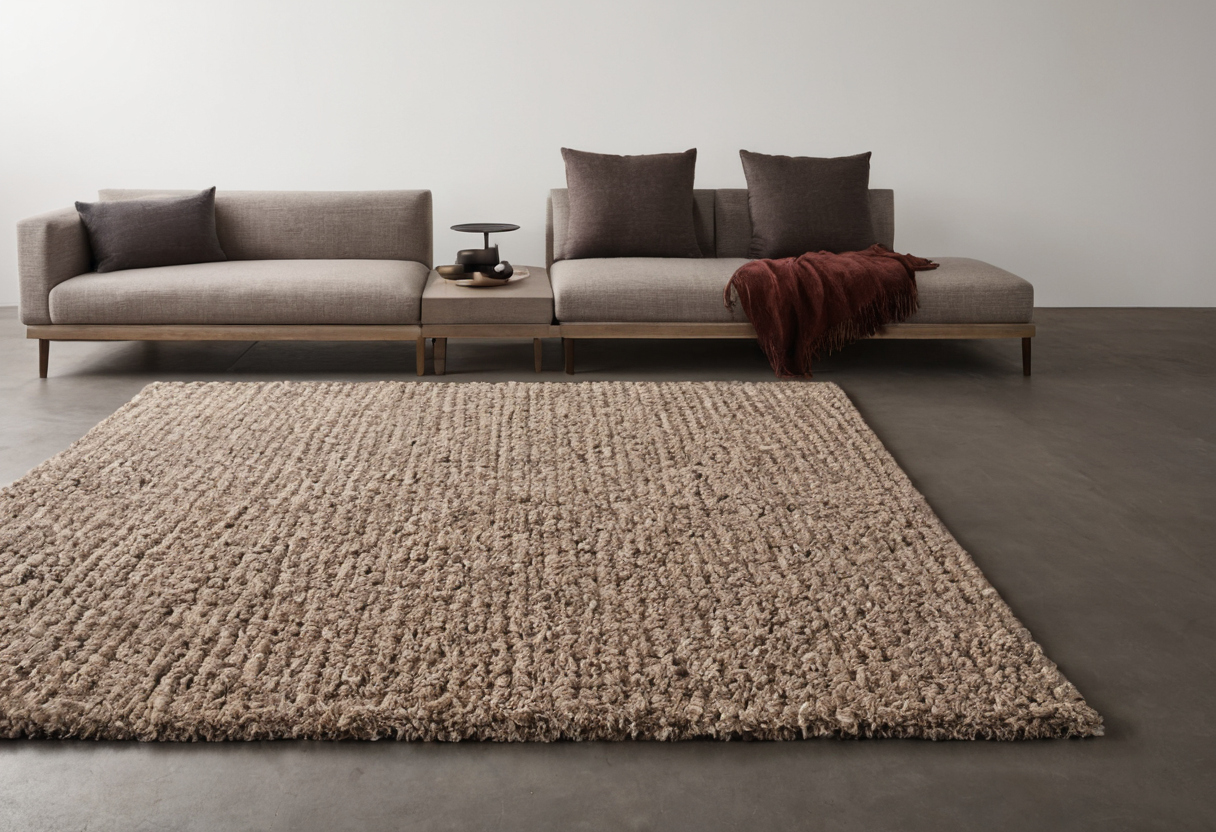
Hand-tufted wool rugs typically cost significantly more per square foot than machine-made polypropylene options. Knowing the construction method alongside the fiber content helps you avoid overpaying for marketing terms.
Machine-made polypropylene rugs usually run between two and five dollars per square foot at retail. Machine-made nylon sits slightly higher, often three to seven dollars per square foot, because the fiber recovers better from heavy furniture legs. Hand-tufted wool starts around eight dollars per square foot and climbs depending on pile density. Hand-knotted wool costs far more than hand-tufted construction because each knot is tied individually rather than punched through a canvas backing.
What a fair price per square foot looks like by fiber and construction.
A quality felt or natural rubber rug pad adds roughly one to three dollars per square foot to the total. The pad protects both the textile and your rental flooring from daily friction.
Key takeaways for choosing living room decor ideas starting from the floor
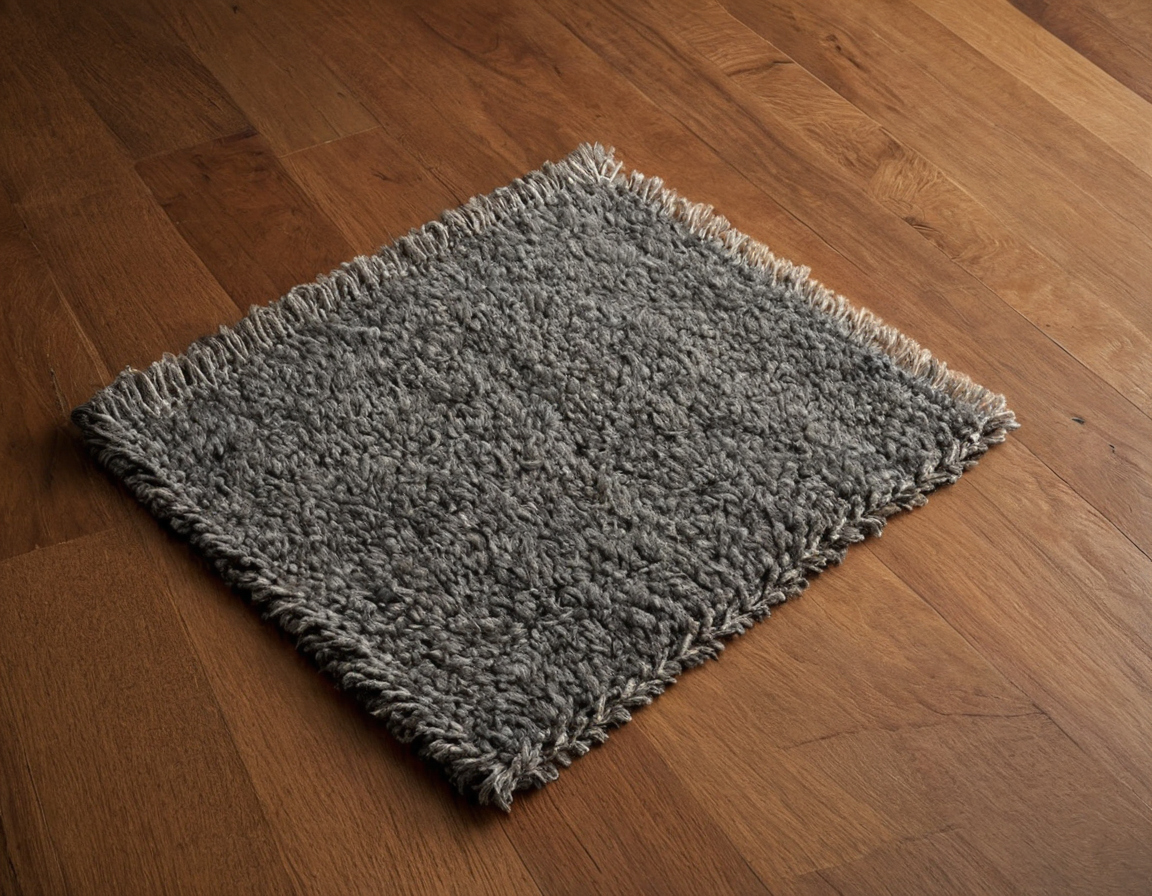
Choose your rug based on measurable textile properties first. Verify the fiber content label, check the pile height against your furniture legs and door clearances, and confirm the face weight supports your daily traffic. Pattern and color come last.
Key takeaways for choosing living room decor ideas starting from the floor.
Frequently asked questions about living room rugs
For more on this topic, see other guides on this site.